 01
01Preventive Maintenance for A320 / A330
Scheduled inspections, systems review, maintenance-history analysis and operational checks performed within the applicable FAA-authorized structure.
Read moreAirbus A320 and A330 maintenance optimization and bilingual technical training
Español
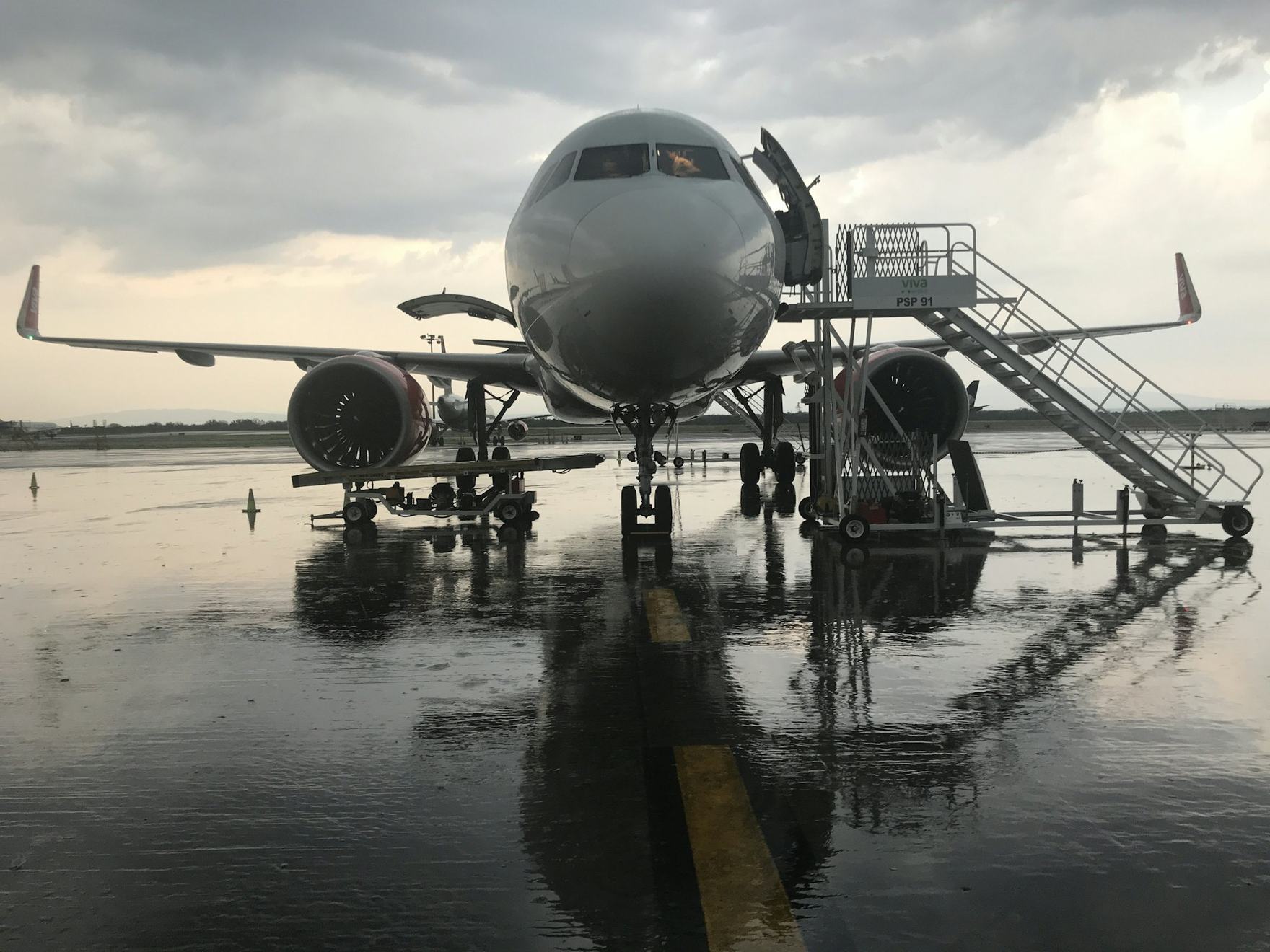
Airbus A320 / A330 · Maintenance Optimization
GB Aerotech Aviation Group applies engineering-based diagnostic review, structured condition monitoring and bilingual technical training to Airbus A320 and A330 maintenance. Every engagement is measured against a documented baseline.
Operating Context
The conditions that make disciplined maintenance decisions valuable are documented in federal data, not asserted. Three of them define the environment GB Aerotech is built for.
11.5 → 14.7 yrs
Average age of U.S. air-carrier fleets, 2006 to 2023. Aircraft staying in service longer carry recurring inspection, structural-integrity, component-reliability and documentation requirements across a longer lifecycle.
U.S. DOT, Bureau of Transportation Statistics, “Fleet Mix” ↗New AD limitations
FAA airworthiness directives applicable to A318/A319/A320/A321 and A330 aircraft impose new or more restrictive maintenance and inspection limitations addressing fatigue cracking, accidental damage and corrosion in principal structural elements.
FAA, AD 2026-09-03 and AD 2025-19-04 ↗≈13,100 / year
Projected annual openings for aircraft and avionics equipment mechanics and technicians, 2025 to 2035. Many openings arise as workers transfer occupations or leave the labor force, including through retirement.
U.S. Bureau of Labor Statistics, Occupational Outlook Handbook ↗These conditions describe the operating environment. They are context for the endeavor, not a claim about results GB Aerotech has already produced.
The Proposition
A repair closes a discrepancy. It rarely changes how the next one is diagnosed. GB Aerotech structures each engagement so that the technical reasoning survives it: a measured baseline, a documented protocol, and training material that another organization can pick up and run.
Maintenance history, recurring discrepancies and system-specific conditions are reviewed for root cause and sequencing before a protocol is written. This applies mechanical-engineering analysis to problems normally handled task-by-task.
Every engagement opens with documented baseline indicators and project-specific targets, so results are compared against something rather than asserted after the fact.
Validated practices are converted into reusable workflows, checklists, decision protocols and training modules. That is how one engagement becomes capacity for the next.
Regulated maintenance, inspection and return-to-service functions are performed by appropriately certificated personnel and organizations. Where GB Aerotech does not hold the authorization, a qualified partner does.
Capabilities
These are not separate lines of business. Each one feeds the same loop of assess, implement, measure, standardize and replicate, and each is delivered within the authorization applicable to the work.
01Scheduled inspections, systems review, maintenance-history analysis and operational checks performed within the applicable FAA-authorized structure.
Read more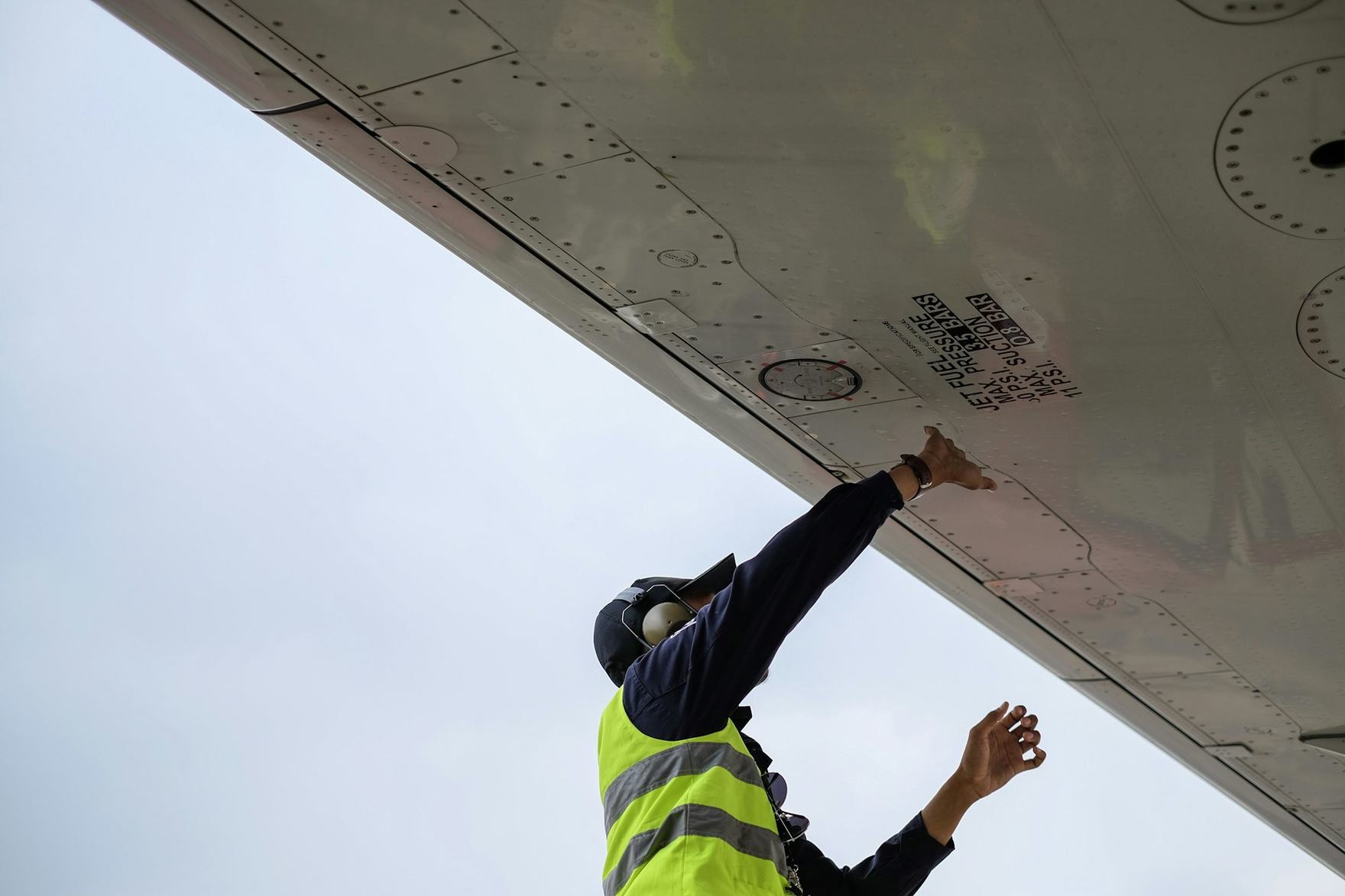 02
02Structured troubleshooting and engineering review of identified discrepancies, through component replacement or repair and post-maintenance evaluation.
Read more 03
03Corrosion, fatigue, accidental damage and other airframe conditions addressed in accordance with manufacturer and FAA requirements.
Read more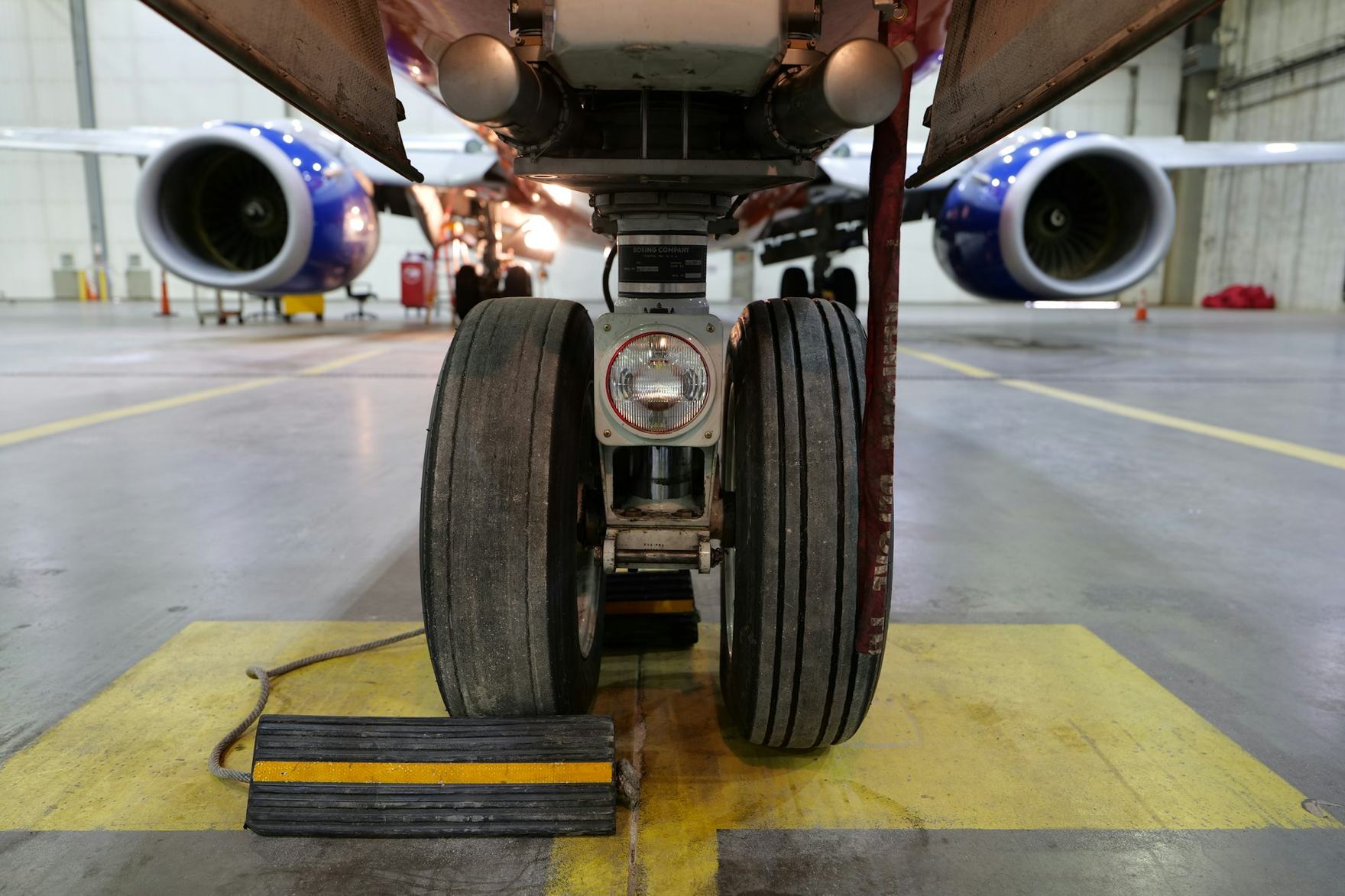 04
04Removal, installation, inspection, troubleshooting, testing and related technical coordination for A320 and A330 aircraft.
Read more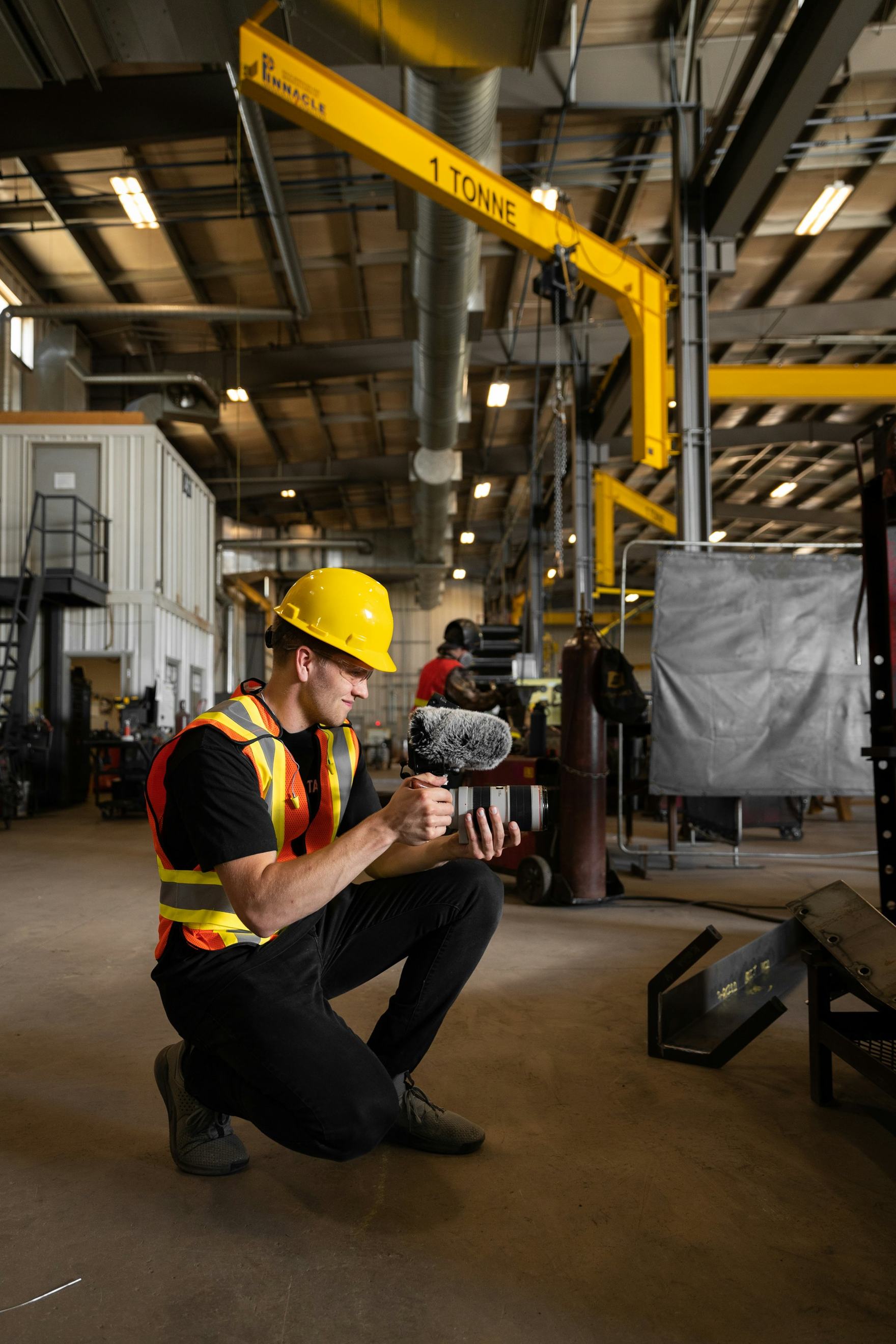 05
05Available maintenance records, recurring-discrepancy information, engineering diagnostics and commercially available monitoring tools, used to support maintenance decisions.
Read more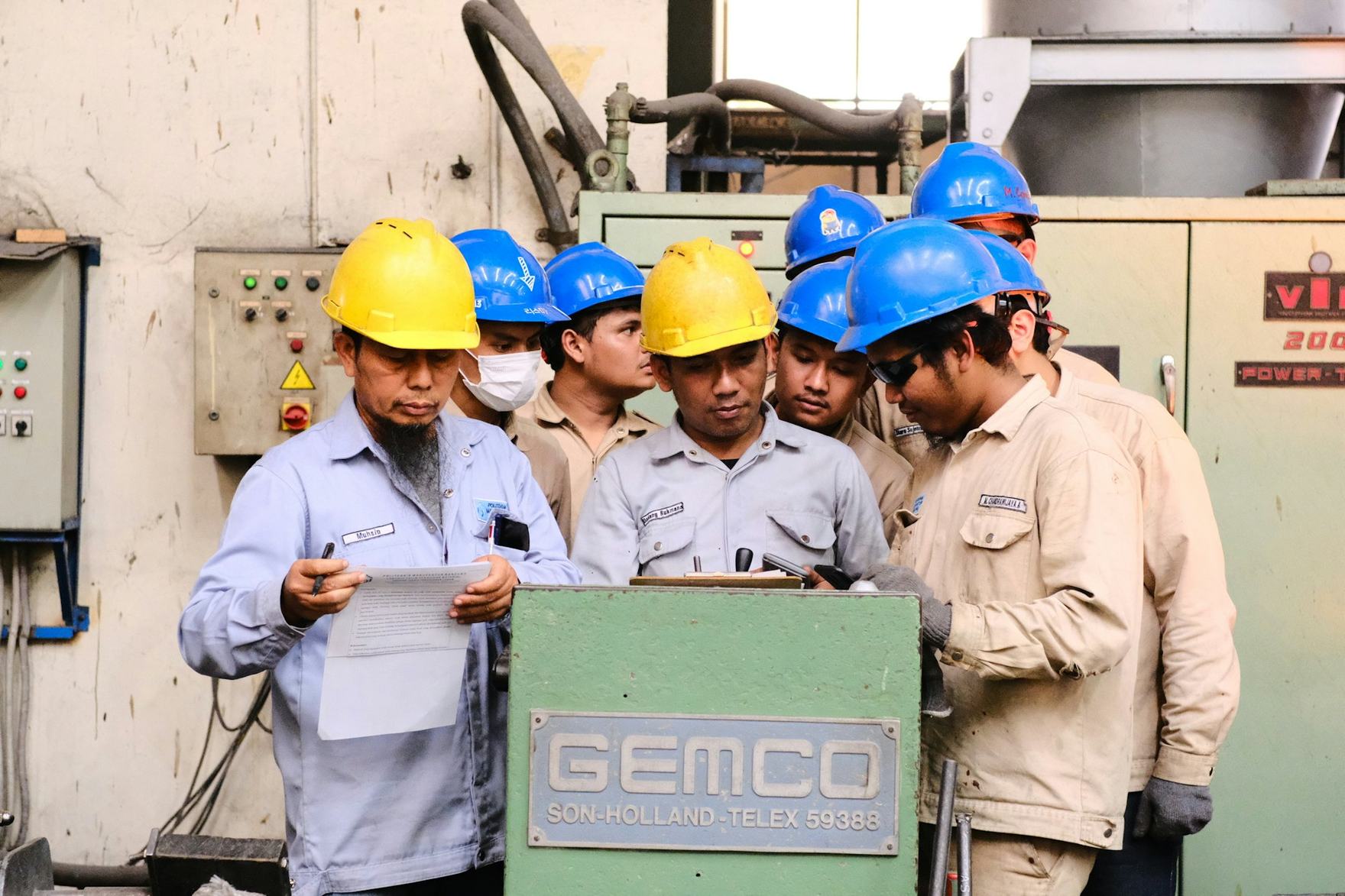 06
06An FAA-aligned bilingual technical curriculum for Spanish-speaking maintenance professionals building the technical, regulatory and English-language competencies U.S. environments require.
Read moreMethodology
The framework exists so that an engagement produces evidence rather than an opinion. Each phase has a defined input, a defined output, and a point at which the work can be compared against what was expected.
Identify the applicable aircraft configuration, maintenance history, recurring discrepancies, system-specific issues, operational constraints and relevant manufacturer and FAA requirements. Baseline maintenance-performance indicators are established before anything is changed.
Review maintenance history, recurring failures, and hydraulic, fuel, structural, landing-gear and component issues alongside available condition-monitoring information, to find opportunities for better root-cause analysis, earlier recognition of recurring conditions, and more consistent maintenance decisions.
Develop project-specific preventive and corrective recommendations, inspection priorities, component-replacement criteria, documentation procedures, decision thresholds, escalation criteria, defined responsibilities and quality-control checkpoints.
Apply existing maintenance information and commercially available sensing or analytical tools where technically appropriate, and use the engagement to build structured condition-monitoring data sets for later evaluation.
Authorized personnel and facilities implement the applicable maintenance process. Actual project outcomes are measured against the previously established baseline and the project-specific target values.
Compare expected against actual results, document technical lessons, identify deviations, revise procedures where warranted, and convert validated practices into reusable workflows, checklists, decision protocols, training modules and implementation materials.
No project-specific recommendation supersedes an applicable FAA requirement, Airworthiness Directive, manufacturer limitation or certificate-holder procedure.
Measurement
Four categories are kept distinct: the baseline established before intervention, the target set for the engagement, the result actually measured, and any longer-term projection that remains contingent on validation.
GB Aerotech does not assume a fixed percentage reduction in cost, downtime, labor hours or component failures before pilot evidence exists. The theory of change is that disciplined baseline measurement, engineering review, standardized intervention and post-implementation measurement turn individual engagements into reusable organizational knowledge.
Workforce Development
The industry is short of technicians and holds a large pool of experienced Spanish-speaking maintenance professionals who lack the regulatory vocabulary and technical English that U.S. environments assume. That gap is trainable.
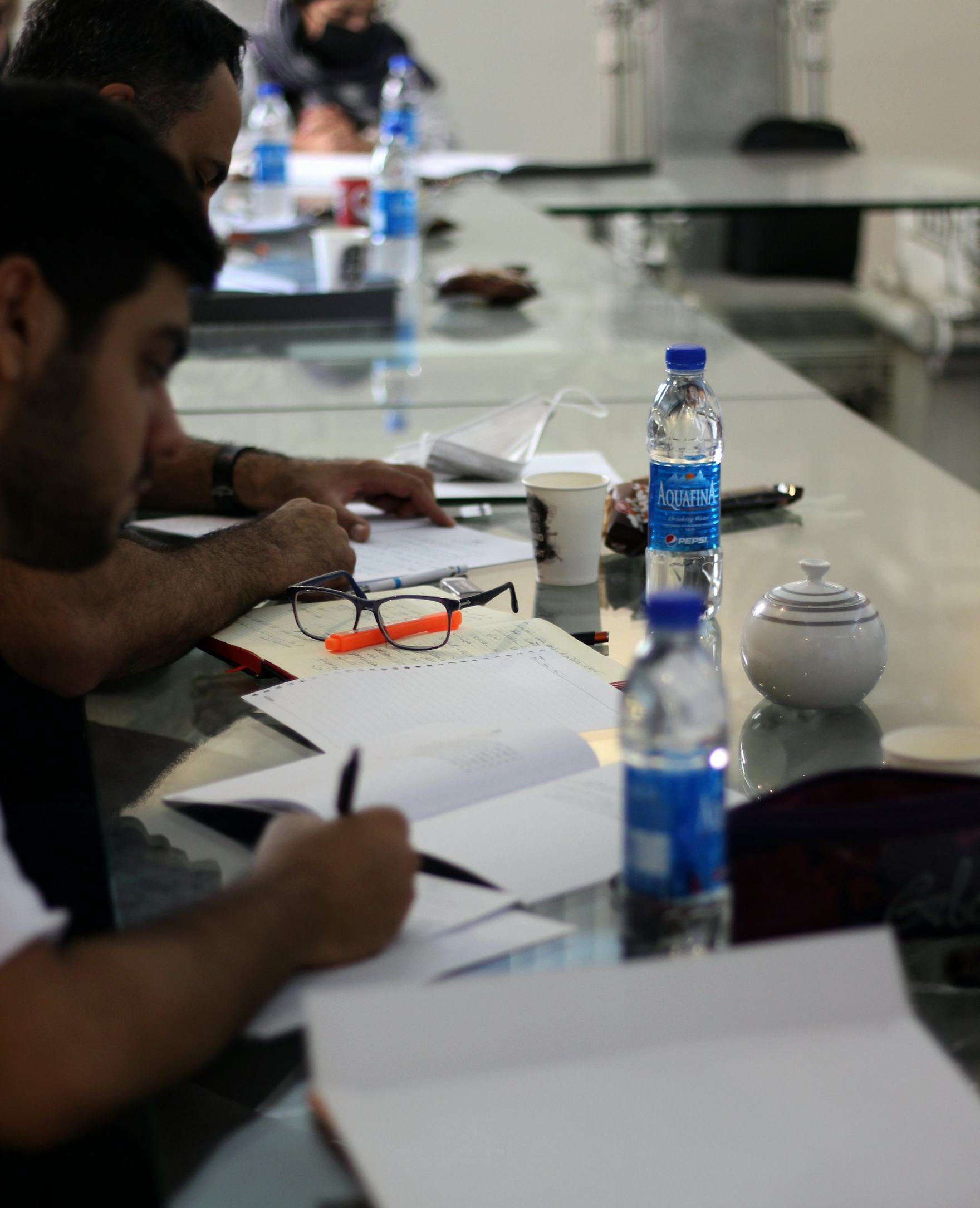
The curriculum is built for maintenance professionals and candidates strengthening the technical, regulatory and English-language competencies required in U.S. aviation-maintenance environments. It is designed to be transferable: standardized instructor materials, bilingual technical glossaries, competency matrices, digital modules and a train-the-trainer structure allow additional authorized educational or aviation organizations to adopt it.
Curriculum
This program is described as FAA-aligned training designed to support applicable FAA mechanic certification pathways. GB Aerotech does not issue an FAA mechanic certificate or an FAA-certificated-school credential. Where 14 C.F.R. Part 147 authorization is required, delivery occurs through an appropriately certificated Aviation Maintenance Technician School unless and until GB Aerotech obtains its own applicable FAA authorization.

Technology Position
NASA's analysis of predictive and prescriptive maintenance in aviation identifies data availability and quality, validation and safety assurance, regulation, implementation cost and the difficulty of quantifying operational impact as real barriers to adoption. We sequence the work accordingly: data first, validation second, claims last.
Available maintenance records, recurring-discrepancy information, engineering diagnostics and commercially available monitoring tools support maintenance decisions today.
Pilot engagements establish structured methods for collecting relevant condition and maintenance-performance data, the input any predictive model would require.
Once sufficient usable data exist, predictive models may be evaluated in collaboration with qualified software, data-science and sensor-technology partners.
Any AI-assisted analytical function is evaluated against actual maintenance outcomes and applicable safety, quality and regulatory requirements before being represented as validated or offered for broader deployment.
GB Aerotech does not currently own or operate a proprietary AI-powered predictive-maintenance platform, and does not represent one as developed or validated.
How We Work
Five steps from the first call to a procedure your team keeps. Nothing starts without an agreed baseline, and nothing finishes without a written result.
Tell us the aircraft, the system and what keeps coming back. No sales deck. A working conversation with the engineer who will scope the job.
We review the configuration, maintenance history and recurring discrepancies, then tell you honestly whether the work can produce measurable evidence. If it cannot, we say so.
We document the starting indicators and agree a written protocol: inspection priorities, component-replacement criteria, decision thresholds, responsibilities and quality-control checkpoints.
Regulated work is carried out by appropriately certificated personnel and facilities. We coordinate it, review the technical outcome and stay accountable for the protocol.
You receive the outcome compared against the baseline, the technical lessons, and the written procedure your team keeps and reuses on the next aircraft.
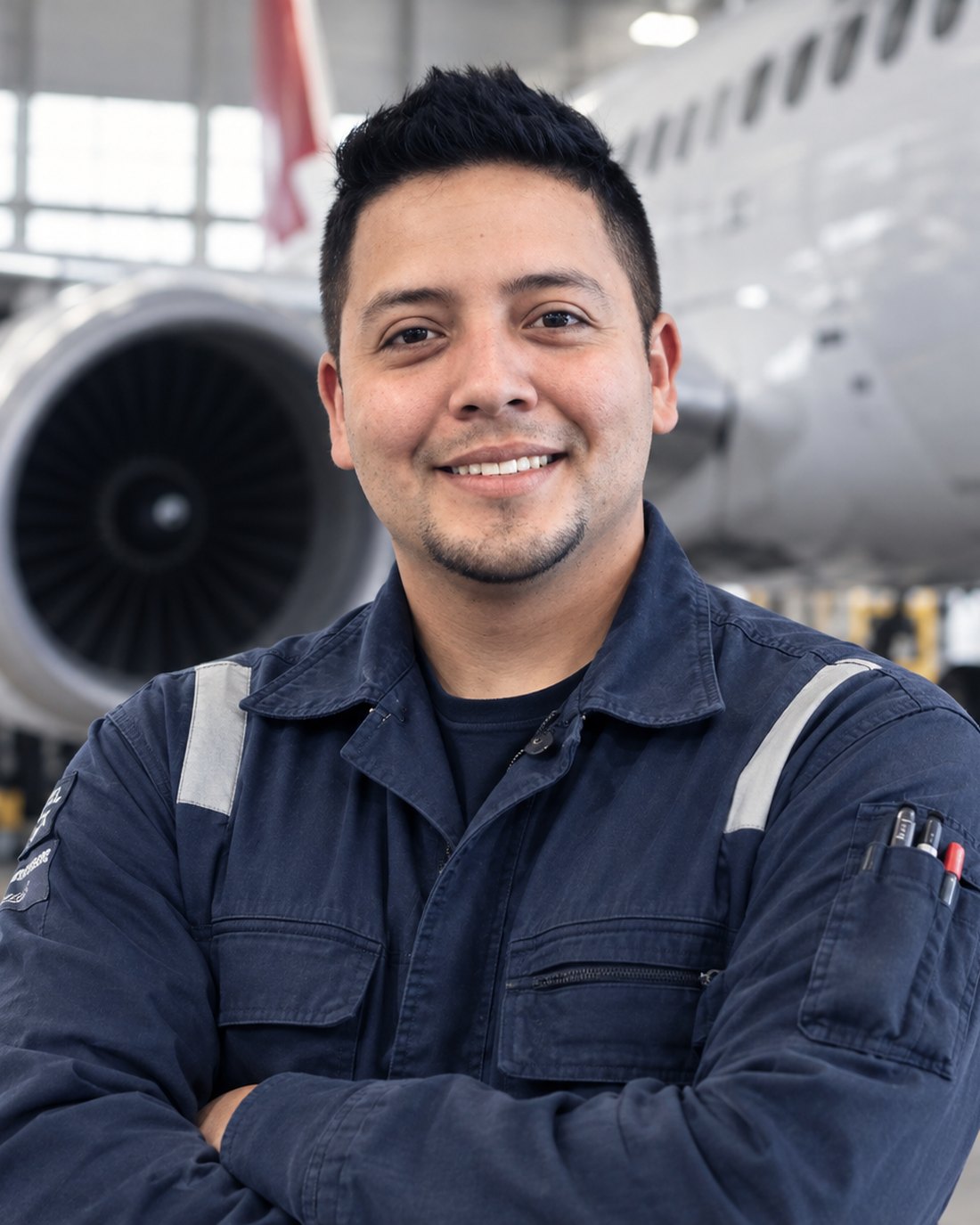
Germán Darío Bojacá Prada
Founder · Mechanical Engineer · Technical Lead
Founder
Germán Bojacá is a mechanical engineer and aeronautical technician whose aviation career began in 2012 as a maintenance apprentice with the Colombian National Police Air Division and SATENA, preparing tools, organizing work sites and cleaning components for inspection under licensed supervision.
From 2015 to 2020 he worked as an Aircraft Heavy Maintenance Technician at AVIANCA S.A., performing C and D checks on Airbus A320 and A330 aircraft in MRO facilities: inspection, checking and operational testing of hydraulic systems, fuel-system inspection, structural inspection, and the removal and installation of landing gear with the associated adjustments, testing and troubleshooting.
Before an Engagement
A pilot engagement only produces usable evidence if certain things exist at the start. These are the six we look for in a first conversation.
Applicable A320 or A330 configuration, effectivity and current operating constraints.
Accessible records covering the systems in scope, far enough back to show patterns.
Repeat discrepancies, a system that keeps coming back, or a task whose labor hours are hard to predict.
Turnaround time, downtime, labor hours or repeat-discrepancy counts that can be established before anything changes.
The certificated personnel, repair station or certificate-holder procedures through which regulated work will be performed.
More than one aircraft, more than one station, or a team that would use the resulting protocol after the engagement ends.
FAQs
Straight answers about scope, authorization and how an engagement actually runs. If your question is not here, call and ask.
If an A320 or A330 system keeps coming back, that is the engagement worth scoping first.